

Why Are My Pepper Plants Not Growing
Watching your pepper plants struggle or stop growing altogether can be frustrating, especially after putting in the time and effort to care for them. Slow or stunted pepper plant growth is a common issue, but the good news is that it’s usually caused by a few fixable factors.
Whether you’re growing peppers from seed or caring for young pepper seedlings, understanding what’s holding your plants back is the first step toward healthy growth and higher yields. Below, we break down the most common reasons pepper plants don’t grow properly and provide practical, proven solutions to help your plants recover and thrive.
Common Reasons Pepper Plants Stop Growing
-
Not enough sunlight
-
Poor soil quality or compaction
-
Temperature stress (too hot or too cold)
-
Overwatering or underwatering
-
Lack of fertilization
-
Pest infestations
-
Disease issues
-
Early flowering
-
Containers that are too small
-
Plants spaced too closely
-
Lack of pruning or heavy weed pressure
-
Transplant shock
-
Non-viable seeds
-
Poor companion plant choices
Below, we break down each issue and how to fix it.
1. Not Enough Sunlight
Pepper plants need a lot of sunlight to grow strong, healthy, and productive. Most pepper varieties originated in warm, sunny climates, and without enough light, growth will slow dramatically.
In general, pepper plants need:
-
-
6–12 hours of direct sunlight per day
-
14–16 hours of light for young seedlings, especially when started indoors
-
However, more sun isn’t always better. In regions with extreme heat or intense afternoon sun, too much direct exposure, especially after pruning or transplanting, can lead to sunscald on leaves and fruit. This is most common when plants don’t yet have enough foliage to protect developing peppers.
Without adequate light, pepper plants become leggy, weak, and slow-growing. Insufficient sunlight also reduces photosynthesis, limits water uptake, slows transpiration, and delays flower and fruit development.
Solutions:
-
-
Plant peppers in the sunniest available location with some afternoon protection, if possible.
-
In hot climates, provide light shade during peak afternoon hours to prevent sunscald.
-
Use grow lights when starting peppers indoors or during low-light months.
-
Move container plants as needed to balance sun exposure and heat.
-
Avoid heavy pruning during extreme heat, which can expose fruit to direct sun.
-
🔥 Pro tip: If leaves look pale and stretched, your plant needs more light. If fruit develops white, leathery patches, it’s likely getting too much intense sun.

2. Poor Soil Quality
Poor soil quality is one of the most common reasons pepper plants struggle to grow. Soil plays a critical role in water drainage, root development, and nutrient absorption, all of which are essential for healthy pepper plants and strong yields.
When soil drains well, allows roots to expand, and delivers nutrients efficiently, pepper plants thrive. When it doesn’t, growers may see problems like root rot, wilting or yellowing leaves, slow growth, and water pooling (ponding) around the base of the plant.
Pepper plants prefer soil that is firm but not compacted. Overly compacted soil restricts the movement of water, oxygen, and nutrients to the roots, while overly loose soil may fail to retain enough moisture. Before the growing season begins, take time to assess your soil and make improvements as needed.
Healthy, pepper-friendly soil typically:
-
-
Appears darker in color
-
Feels slightly moist but not soggy
-
Crumbles easily when handled
-
Contains plenty of organic matter
-
These characteristics indicate soil that supports strong root expansion and efficient water and oxygen flow.
Solutions:
-
-
Aerate compacted soil to improve drainage and root growth
-
Remove built-up thatch or debris that prevents water from penetrating the soil
-
Conduct a soil test to identify nutrient deficiencies and amend with compost or organic matter as needed
-
🌱 Pro tip: Improving soil quality before planting is far easier than fixing growth problems mid-season.

3. Temperature Extremes
Pepper plants originated in warm climates and grow best when daytime temperatures stay between 70–85°F (21–29°C). When temperatures fall outside this range, either too hot or too cold, pepper plant growth can slow significantly, leading to fewer flowers and reduced fruit production.
Excessive heat can stress plants, causing flower drop, slowed growth, and sunscald, especially when combined with intense, direct sunlight. On the opposite end, cool temperatures, particularly overnight lows, can stunt growth and delay flowering. Young pepper plants are especially sensitive to temperature swings, as they need stable conditions to establish strong roots and healthy foliage.
Solutions:
-
-
Provide temporary shade during extreme heat, especially in the afternoon, to reduce plant stress and prevent sunscald
-
Use row covers, frost cloths, or move container plants indoors when temperatures drop below 55°F (13°C)
-
Harden off seedlings properly before transplanting to help them adapt to outdoor temperature changes
-
🌡️ Pro tip: Stable temperatures are just as important as sunlight, too much heat can be just as harmful as too little.

4. Inadequate Watering
Improper watering is one of the most common reasons pepper plants fail to grow. Both underwatering and overwatering can stress plants and lead to slow or stunted growth, especially during the seedling and transplant stages.
-
- Underwatered pepper plants quickly dry out, causing wilting, slowed growth, and poor root development. While reduced watering can increase heat levels in mature peppers, young plants should never be water-stressed, as they need consistent moisture to establish healthy roots and foliage.
- Overwatering can be just as damaging. When soil stays too wet, oxygen is pushed out of the root zone, preventing roots from absorbing nutrients efficiently. This often results in yellowing leaves, root rot, and overall poor plant development.
Because the visual symptoms of underwatering and overwatering can look very similar, finding the right balance is critical. Paying close attention to soil moisture, rather than watering on a strict schedule, will help keep your pepper plants growing steadily.
Solutions:
-
-
Water deeply when the top inch of soil feels dry to the touch
-
Ensure proper drainage so excess water can escape and roots can breathe
-
Apply mulch around plants to retain moisture, regulate soil temperature, and reduce evaporation
-
💧 Tip: Consistent moisture, not soggy soil, is the key to healthy pepper plant growth.

5. Lack of Fertilization
Pepper plants are heavy feeders, and insufficient fertilization is a common cause of slow or stunted growth. Without access to essential nutrients, plants struggle to develop strong roots, healthy foliage, and productive flowers, ultimately limiting fruit yield and flavor.
Fertilization should begin at planting, whether you’re sowing seeds or transplanting seedlings, and continue periodically throughout the growing season. However, not all fertilizers serve the same purpose. Some support root development and soil health, while others promote flowering, fruiting, or overall plant vigor. Choosing the right fertilizer and applying it at the right stage of growth makes a significant difference in how well your pepper plants perform.
It’s also important to follow label instructions carefully. Over-fertilizing can be just as harmful as under-fertilizing, leading to excessive leaf growth at the expense of flowers and peppers.
Solutions:
-
-
Amend soil before planting with a balanced fertilizer and confirm soil pH is within the ideal range (6.0–7.0)
-
Feed plants regularly during the growing season using fertilizers formulated for vegetables or peppers
-
Match fertilizer type to growth stage, reducing nitrogen during flowering to encourage fruit production
-
🌱 Tip: Healthy soil equals healthy plants, supporting soil biology is just as important as feeding the plant itself.

6. Pest Infestation
Pest infestations are a common reason pepper plants stop growing or appear unhealthy. Insects such as aphids, spider mites, and pepper maggots feed on plant tissue and sap, weakening the plant and slowing overall development. Left untreated, pests can quickly spread throughout your garden and cause long-term damage.
Early detection is key. Chewed leaves, stippling, discoloration, or sticky residue are all signs that pests may be present. Acting quickly gives your pepper plants the best chance to recover and continue growing normally.
Solutions:
-
-
Inspect plants regularly, especially the undersides of leaves and new growth
-
Introduce beneficial insects, such as ladybugs, to naturally control pest populations
-
Use organic pest control methods to treat infestations without harming pollinators
-
Plant companion plants that help repel pests and support a healthier garden ecosystem
-
🐞 Tip: Consistent monitoring and prevention are far more effective than reacting after pests are fully established.

7. Disease
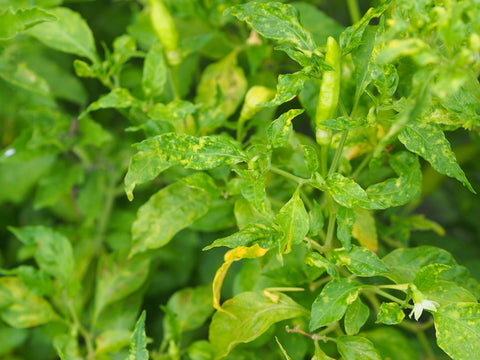
In addition to pests, plant diseases can significantly weaken pepper plants, leading to stunted growth, reduced yields, and overall poor plant health. Common pepper plant diseases include bacterial leaf spot, powdery mildew, and fusarium wilt. Most of these issues thrive in warm, humid conditions, especially when airflow is limited or moisture remains on leaves for extended periods.
Preventing disease starts with good garden hygiene. Proper spacing, careful watering, and routine pruning help reduce humidity around the plant and limit opportunities for pathogens to spread. If a disease becomes severe, it’s best to remove the affected plant promptly to protect the rest of your garden.
Solutions:
-
-
Space plants properly to improve airflow and reduce excess moisture
-
Avoid overhead watering, which can encourage fungal and bacterial growth
-
Use organic or targeted treatments (such as Supreme Growers BANISH) to manage mildew and fungal issues
-
Prune and remove affected leaves or branches showing spots, wilting, or discoloration
-
Remove severely diseased plants entirely if recovery is unlikely
-
🌱 Tip: Early intervention and consistent garden sanitation are the most effective ways to prevent disease from spreading.
8. Early Flowers
Some younger pepper plants begin producing flowers very early in their growth cycle. This often happens when peppers are started early in the season, grown in limited root space, or when the variety is naturally early maturing. While early flowering can seem like a good sign, it can actually slow overall plant growth and reduce total yields if the plant isn’t ready to support fruit yet.
-
- Pepper plants tend to flower prematurely when they feel constrained or stressed.
- Common indicators that flowers are forming too early include plants that are under 8–10 inches tall, have fewer than 6–8 sets of true leaves, thin stems with minimal branching, or seedlings that were recently transplanted and haven’t fully established their root systems.
- Container-grown plants that are root-bound are also more likely to produce early flowers.
At this stage, the plant should be prioritizing root development and vegetative growth. Removing early flowers within the first 2–3 weeks allows the pepper plant to continue expanding in the soil, strengthen its structure, and develop the capacity to support heavier fruit loads later in the season. Plants that are allowed to mature properly before fruiting typically produce larger harvests over time.
Note: Late-maturing pepper varieties should not have flowers removed, as delaying fruit development may prevent peppers from fully ripening before the end of the growing season.
Solution:
-
-
Remove early flowers and small fruit from young or recently transplanted pepper plants during the first 2–3 weeks of growth.
-

9. Container Size
Choosing the right container size is critical when growing pepper plants in pots. Many pepper varieties grow much larger than expected, some reaching up to 6 feet tall, and need ample soil volume to support healthy root development. When roots don’t have enough space to expand, the plant becomes stressed, leading to slow growth, early flowering, and reduced yields.
Pepper plants grown in undersized containers often show signs of stunting because limited soil restricts water retention, nutrient availability, and oxygen flow to the roots. This is especially important for growers who start pepper seeds indoors and continue container growing outdoors.
Seedlings should be transplanted gradually into larger pots as they grow to avoid becoming root-bound.
Solutions:
-
-
Grow pepper plants in at least 3 gallons of soil, with 5 gallons or more ideal for most varieties.
-
Transplant seedlings into larger containers as they develop, timing each move to match the plant’s growth stage.
-

10. Not Enough Spacing
Proper spacing is one of the most overlooked reasons pepper plants fail to grow to their full potential. Pepper plants need room for their roots to spread, access nutrients, and take up water efficiently. When plants are grown too close together, they compete for these essential resources, which can lead to stunted growth and reduced yields.
Crowded plants also restrict airflow, creating a humid environment that increases the risk of fungal and bacterial diseases. If your pepper plants aren’t growing as expected, take a closer look at how closely they’re planted, tight spacing can quietly undermine an otherwise healthy garden.
Giving pepper plants enough space helps maintain good air circulation, improves nutrient uptake, and keeps your garden cleaner and healthier overall.
Solutions:
-
-
Space pepper plants 18 inches apart within a row.
-
Keep rows 30–36 inches apart to allow for airflow, maintenance, and healthy growth.
-

11. Needs Pruning & Weeding
While pruning pepper plants isn’t always required, it can significantly improve plant health and growth when done correctly. Pruning allows more sunlight to reach the plant’s interior, improves airflow, and helps the plant redirect energy toward stronger stems and higher fruit production. It also gives you the opportunity to inspect plants closely and remove diseased or damaged growth before problems spread.
-
- Many growers choose to prune pepper plants around 4–6 weeks old, especially by removing the top growth, a technique known as topping. Topping encourages the plant to grow outward instead of upward, resulting in a sturdier, bushier structure that can better support heavy yields later in the season.
- Once pepper plants are established in the soil, bottom pruning becomes helpful. Removing low-hanging or drooping branches prevents foliage from touching the soil, which reduces the risk of soil-borne diseases and moisture-related issues caused by splashing water.
In addition to pruning, weed management is essential. Weeds compete directly with pepper plants for water, nutrients, and sunlight. Left unchecked, they can significantly slow growth and reduce yields.
Solutions:
-
-
At 4–6 weeks, lightly prune or top indoor pepper plants while keeping the true leaves intact.
-
Bottom prune branches once plants are established in the garden to prevent soil contact.
-
Regularly pull weeds or unwanted plants growing near pepper plants to reduce competition.
-

12. Transplant Shock
If your pepper plants seem to stall after being transplanted into a larger container or directly into the ground, don’t panic right away.
-
- Transplanting is stressful for plants, and it’s normal for peppers to pause growth for 1–2 weeks while they adjust to their new environment.
- During this time, growth may slow as the plant focuses energy on establishing its root system rather than producing new leaves or flowers.
- Several factors contribute to this adjustment period, including:
- The transition from grow lights to direct sunlight
- Changes in soil composition
- Exposure to outdoor elements like wind, rain, and fluctuating temperatures.
True transplant shock, however, occurs when a pepper plant fails to acclimate and shows ongoing signs of stress instead of recovering. Common symptoms include leaf drop, sunscald, drooping or weak stems, and curling or discolored leaves. If these symptoms persist beyond the initial adjustment window, intervention is needed to help the plant recover.
Solutions:
-
-
Harden off pepper plants gradually before transplanting to prepare them for outdoor conditions.
-
Monitor newly transplanted seedlings closely, adjusting water and sun exposure as needed.
-
Keep soil evenly moist and apply mulch to help retain moisture and regulate soil temperature.
-
Avoid fertilizing for the first 1–2 weeks after transplanting to prevent additional stress while roots establish.
-

13. Seeds Are Not Viable
If you’ve ruled out environmental and care-related issues and your pepper plants still aren’t growing, the problem may start with the seed itself. Seed viability is often overlooked, but non-viable seeds will never germinate or may sprout weakly and fail to develop into healthy plants.
Old seeds, improperly stored seeds, or seeds that haven’t been tested for germination can lead to wasted time and frustration. That’s why checking seed viability before planting, especially if you’re using older seeds or seeds from unknown sources, is a smart proactive step.
How to Test Pepper Seed Viability (Water Test):
-
-
Place pepper seeds in a container of room-temperature water.
-
Let them sit for about 15 minutes.
-
Seeds that sink are more likely to be viable.
-
Seeds that float are typically non-viable and unlikely to germinate.
-
Keep in mind that while this test isn’t 100% foolproof, it’s a quick way to screen out poor seeds before planting. On our pepper seed pages, you’ll also find tested germination rates, evaluated by our growing experts during the most recent growing season.
Solution:
-
Test pepper seeds for viability using the water test before planting to improve germination success and avoid wasted effort.

14. Bad Companion Plants
While it’s often overlooked, planting the wrong companion plants near your peppers can contribute to stunted growth and reduced yields. Companion plants can be incredibly beneficial when chosen correctly, helping repel pests, attract pollinators, provide shade and ground cover, and even improve soil health.
However, not all plants are good neighbors for pepper plants. Some vegetables compete aggressively for nutrients, water, and root space, which can limit pepper plant growth. For example, crops like broccoli, cabbage, and Brussels sprouts are heavy feeders that compete directly with peppers. Other plants, such as potatoes and radishes, are susceptible to similar pests and diseases, increasing the risk of problems spreading throughout your garden.
Over time, poor companion planting can lead to recurring growth issues that are easy to miss if the same crops are planted together year after year.
Solutions:
-
-
Observe which plants are consistently grown near your peppers and note any recurring growth or disease issues each season.
-
Choose proven companion plants for peppers that support growth, deter pests, and improve soil conditions.
-

Growing Tips from Pepper Joe's
If you still have questions about your pepper plants not growing, contact our team of growing experts today by email or at 1-888-660-2276.
We also provide plenty of resources on growing pepper plants with our Gardening Tips & Guides and Gardening FAQs page. Remember, gardening is a continuous learning process, and each plant has its own unique growing characteristics.