
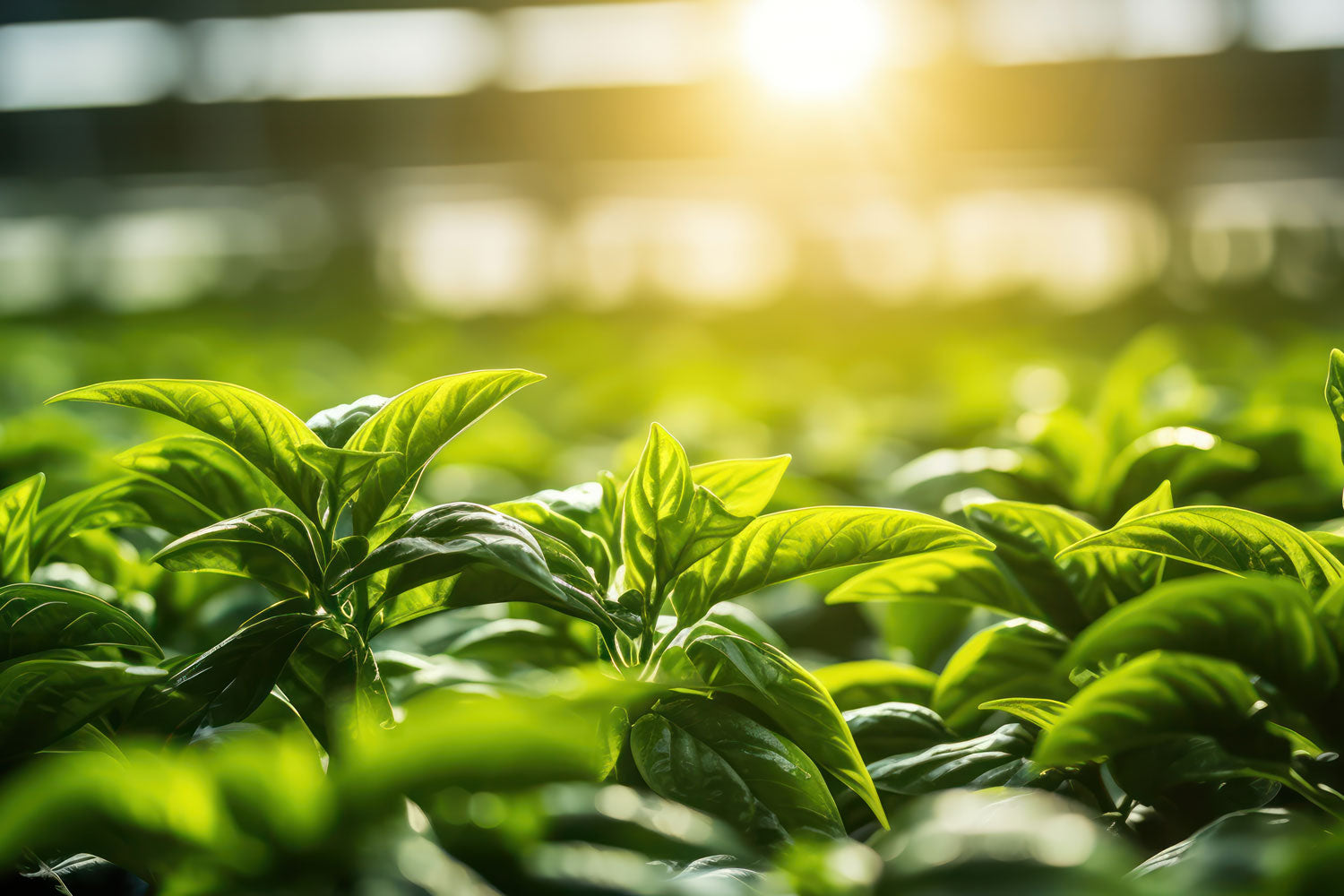
Sunlight plays a major role in how well pepper plants grow, flower, and produce fruit. Whether you’re growing peppers from seed or transplanting seedlings outdoors, providing the right amount of sunlight is essential for healthy plants and strong harvests.
Below, we explain how much sun pepper plants need, whether they can tolerate shade, and how to safely transition seedlings to full sun.
Do Peppers Need Full Sun?
Peppers are warm seasoned vegetables. They are in the Solanaceae family (also known as the nightshade family). Pepper plants are capable of producing an abundant amount of stunning fruits. This is the ultimate reward! However, before you begin planting your peppers, you must have a clear idea of what location will allow your peppers to flourish. Check out our blog on Planting Zones to learn about the USDA Grow Zone Map.
Seedlings can be a bit demanding when it comes to the sunlight they require. If you start growing indoors, your plants may be accustomed to indoor grow lights. Once they are mature enough to transition outdoors, we recommend you pick a location where the plants will receive at least 6-8 hours of direct sunlight throughout the growing season.
The morning sun is favorable because it is less intense than the afternoon sun. If your plant receives at least 6-8 hours of sunlight, it will have more energy to grow tall and strong. If your plant only receives 6 hours or less of sunlight, it will likely have a smaller harvest.
Can Peppers Grow in Shade?
If you have a limited or covered gardening space, don't fret. Pepper plants can still grow successfully in partially shaded areas. However, if the location is fully shaded, avoid planting there. Growing in fully shaded areas will result in a major lack of energy to the plants for photosynthesis. Shade leads to slower growth, underwhelming harvests, and unhappy pepper plants. Additionally, without any direct sunlight, your plant will not use the water as quickly. This can lead to poor soil aeration and slower transpiration.
Sunscald on Peppers
Sunscald is similar to a sunburn for pepper plants and can affect both leaves and fruit. Seedlings that have been grown indoors are especially vulnerable because they are used to stable temperatures, controlled light, and minimal environmental stress. To prevent sun damage, pepper plants must be gradually introduced to outdoor sunlight through a process known as hardening off.
Before transitioning your pepper seedlings outdoors, make sure the following conditions are met:
-
Outdoor temperatures are consistently warming
-
You are approaching or past your last expected frost date
-
Seedlings have been growing indoors for 4–6 weeks
-
Plants appear healthy with strong stems and established leaves
Hardening Off Pepper Plants
Once these conditions are met, follow the steps below to safely acclimate your pepper plants to full sun and outdoor conditions:
-
Day 1: Place plants outdoors for about 1 hour in an overcast area or filtered shade, then return them indoors under grow lights.
-
Day 2: Allow plants to receive 1 hour of direct sunlight, followed by 1 hour in shade, before bringing them back inside.
-
Following Days: Gradually increase daily sun exposure over the next 1–2 weeks, extending both sunlight duration and outdoor time.
-
Final Stage: Once plants can remain outdoors for a full day and overnight temperatures stay warm, they are ready to be planted permanently.
If frost, thunderstorms, or strong winds are expected at any point, bring plants indoors to prevent damage. Always water seedlings before placing them outside to reduce stress and prevent drying out.
How To Manage Sun Exposure in Extreme Heat
In regions that experience prolonged heat or intense afternoon sun, even sun-loving pepper plants can experience stress. Taking a few preventative steps can help protect your plants and maintain healthy growth during extreme conditions.
-
-
Use shade cloth during peak heat: Installing shade cloth or temporary covers can reduce sun intensity during the hottest part of the day without blocking all light.
-
Mulch to keep roots cool: Applying mulch around the base of pepper plants helps regulate soil temperature and retain moisture.
-
Water early in the morning: Morning watering allows plants to absorb moisture before heat sets in and reduces evaporation.
-
Relocate container plants if needed: Container-grown peppers can be moved to partially shaded areas during heat waves to prevent overheating.
-

Keep Learning & Growing
Understanding airflow is key to healthier pepper plants, but it’s just one part of the process. Explore our growing resources, pepper seeds, live plants, and grow supplies to continue building a strong, productive garden.


