

Rare Thai Peppers
Thai peppers are often lumped together as a single category, but in reality, Thailand is home to dozens of distinct chili varieties, each with its own flavor, heat level, and culinary role.
In fact, more than 70 recognized Thai pepper varieties have emerged across multiple species, ranging from moderately hot to intensely spicy. What they all share is bold flavor, fast growth, and a heat that builds rather than overwhelms.
This guide explores two rare Thai peppers that are difficult to find outside Southeast Asia, Prik Lueng and Prik Kaleang, and explains what makes them special, how they’re used, and why they deserve a spot in your garden.
Thai Peppers: More Than Just “Thai Hot”
When people say “Thai pepper,” they’re often referring to a general heat range rather than a specific variety.
Most Thai chilis fall between:
-
-
50,000–100,000 Scoville Heat Units (SHUs)
-
Hotter than jalapeños, milder than superhots
-
Known for fast-growing plants and heavy yields
-
What sets Thai peppers apart isn’t just heat, it’s balance. These peppers deliver sharp, clean spice with minimal bitterness, making them staples in curries, stir-fries, sauces, and fresh applications.
Introducing Two Rare Thai Varieties
Prik Lueng Pepper
-
-
Heat level: ~50,000–80,000 SHUs
-
Flavor: Bright, clean heat with subtle sweetness
-
Appearance: Slender, carrot-shaped pods
-
Ripening colors: Green → orange → red
-
Prik Lueng peppers are especially prized for their vibrant orange stage, where both flavor and visual appeal peak. They’re commonly used fresh or pickled and shine in dishes where color matters as much as taste.
This variety is also highly productive, producing clusters of peppers that are just as ornamental as they are useful.

Prik Kaleang Pepper
-
-
Heat level: ~70,000–100,000 SHUs
-
Flavor: Deeper, sharper heat with lingering warmth
-
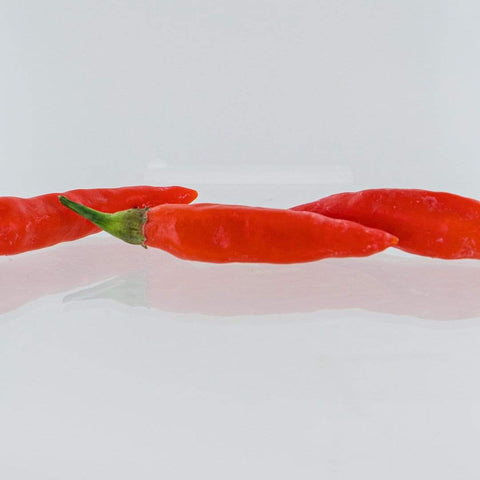
Appearance: Thin, elongated pods
-
Ripening colors: Pale green → orange → intense red
-
Often considered one of the hottest traditional Thai peppers, Prik Kaleang is frequently used in curries, pastes, and noodle dishes. The heat builds gradually, making it a favorite for cooks who want intensity without instant burn.
Harvesting peppers at different ripeness stages creates striking color contrast in both the garden and the kitchen.
How Hot Are These Compared to Other Peppers?
To put Thai peppers into perspective:
-
Jalapeño: 2,500–8,000 SHUs
-
Thai peppers: 50,000–100,000 SHUs
-
Ghost Pepper: 800,000+ SHUs
While not classified as superhots, Thai peppers pack serious punch—enough to cause a noticeable sweat and lingering warmth, especially when used fresh.
As many Thai chefs will tell you:
“You won’t taste it at first… then it keeps building.”
Why We Added These Rare Thai Peppers
Our decision to offer Prik Lueng and Prik Kaleang started with a trip to Thailand. While exploring local markets and regional cuisine, one of our team members saw firsthand how these peppers are used daily by locals, fresh, flavorful, and essential to Thai cooking.
Despite being common in Thailand, these varieties are extremely difficult to find in the U.S. That experience inspired us to preserve and share them with home growers, bringing authentic Thai peppers from local markets straight into backyard gardens, so check out our Thai Blend Pepper Seeds to grow them at home!

Why Rare Thai Peppers Are Hard to Find
Outside of Southeast Asia, many Thai pepper varieties are difficult to source due to:
-
-
Localized seed saving practices
-
Regional naming differences
-
Limited commercial cultivation
-
Preference for fresh local markets over export
-
That’s why peppers like Prik Lueng and Prik Kaleang are rarely grown in home gardens outside Thailand, despite being common in traditional Thai cooking.
Other Popular Thai Pepper Varieties
Beyond these two rarities, Thai cuisine features a wide range of chili types, including compact, upright, and ornamental varieties. Many are prized for:
-
-
Container-friendly growth
-
Heavy production
-
Versatility in fresh and dried forms
-
Thai peppers are excellent choices for gardeners who want high yield, manageable plants, and bold flavor without stepping into extreme heat territory.

Final Thoughts
Thai peppers represent a perfect middle ground: Hot enough to excite, flavorful enough to cook with daily, and productive enough to reward growers all season long.
Whether you’re interested in traditional Thai dishes, expanding your pepper-growing experience, or simply trying something less common, rare Thai varieties offer an incredible blend of culture, flavor, and heat.
If you enjoy learning about unique pepper varieties and how they’re traditionally used, exploring lesser-known chilis is one of the most rewarding ways to level up your garden, and your cooking. Check out our gardening guides and growing supplies to grow your own at home!